Water Damage Restoration in Harris Branch, TX
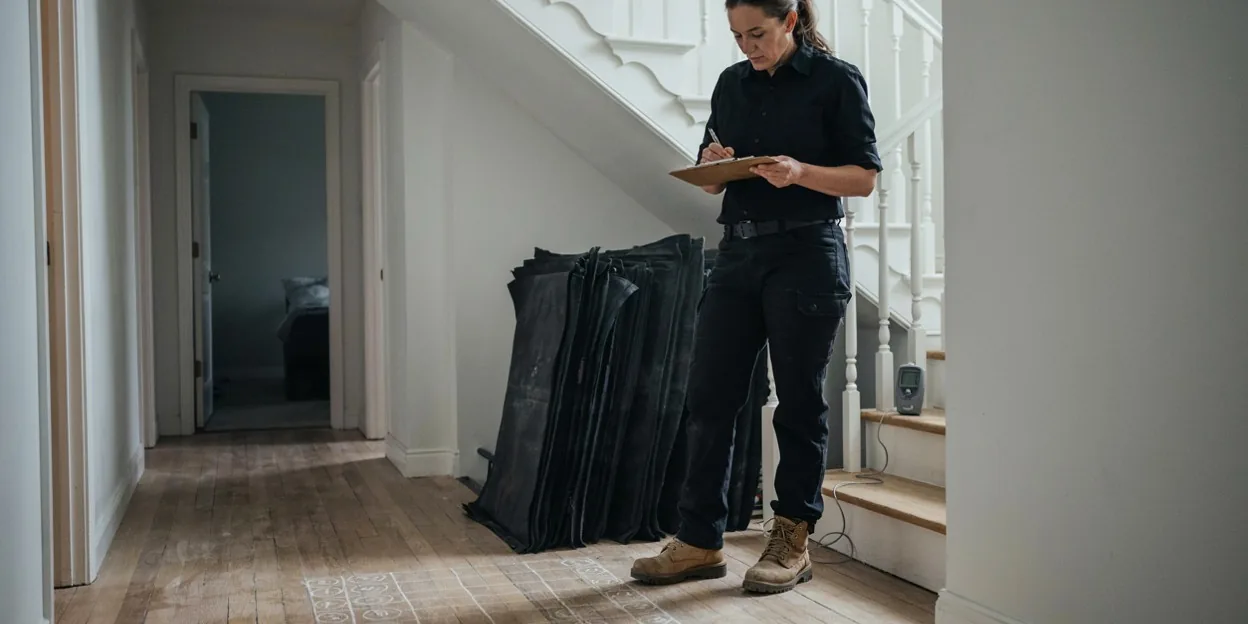
Harris Branch is the master-planned community in northeast Austin off US 290 and Harris Branch Parkway, six miles south of Pflugerville, with about 2,020 homes built from the 1990s through the 2010s. The houses are one- and two-story slab homes on Blackland clay with attic water heaters and HOA rules, laid out along a creek that drains north into Gilleland Creek and on toward Manor.
The older sections near the parkway are now past twenty-five years, which means the first round of water heaters has already failed and the supply lines under the slabs have been through two decades of the clay swelling and shrinking.
We put Harris Branch homeowners through by phone to an independent local water damage provider. The provider takes meter readings first and writes the scope from them.
Harris Branch water damage, two decades in
A drain pan that overflowed above a bedroom in a 1998 section is water heater leak cleanup work. A hallway floor that lifted at the seams is a slab leak detection call before anyone pulls the planks. A garage that took creek water when the low end of the parkway flooded is creek flood cleanup, and porous materials come out.
The association, and Austin's permit desk
The Harris Branch Residential Property Owners Association sets the rules on dumpsters, contractor hours, and exterior changes for all 2,020 homes, so tell the crew what the association needs on site. Harris Branch is inside Austin, and drywall, plumbing, or wiring on the rebuild needs a permit through Austin Development Services, which the provider handles.
Call (512) 855-6202 and say which room got wet first. An independent local water damage provider serving Harris Branch takes the call.
Services Available in Harris Branch
Water Extraction
Water pumped and vacuumed off slab floors, tile, and carpet in a Pflugerville house, then every room metered to see how far it traveled.
Structural Drying
Dehumidifiers and air movers run against Blackland Prairie humidity until drywall, cabinet bases, and subfloor read dry on the meter.
Slab Leak Detection
A warm tile, a cupped hallway floor, or a meter that spins with every tap closed traced to the slab line before any concrete opens.
Burst Pipe Water Damage
Ceilings, walls, and floors soaked when an attic or garage line split in a February freeze, pumped out and dried once the valve is off.
Creek Flood Cleanup
Gilleland or Wilbarger Creek water and street runoff pulled out of a garage or ground floor, soaked materials removed, and the house dried.
Water Heater Leak Cleanup
An attic or garage tank that let go and the insulation, ceiling, and flooring it soaked on the way down, dried and documented.
Ceiling Water Damage Repair
A stained or sagging ceiling under an upstairs bath, an attic air handler, or a drain pan, opened only where the readings say wet.
Roof Leak Water Damage
Wet attic insulation, ceilings, and walls dried after hail, a spring downpour, or wind found a gap in a Pflugerville roof.